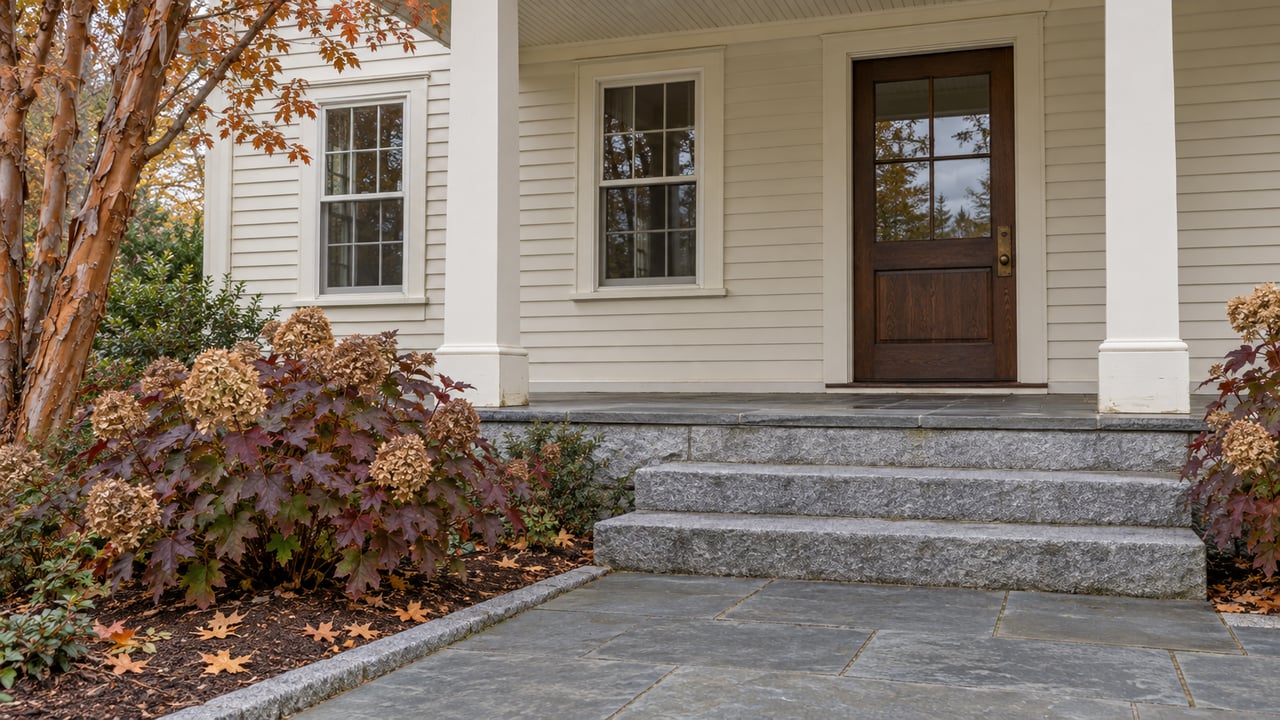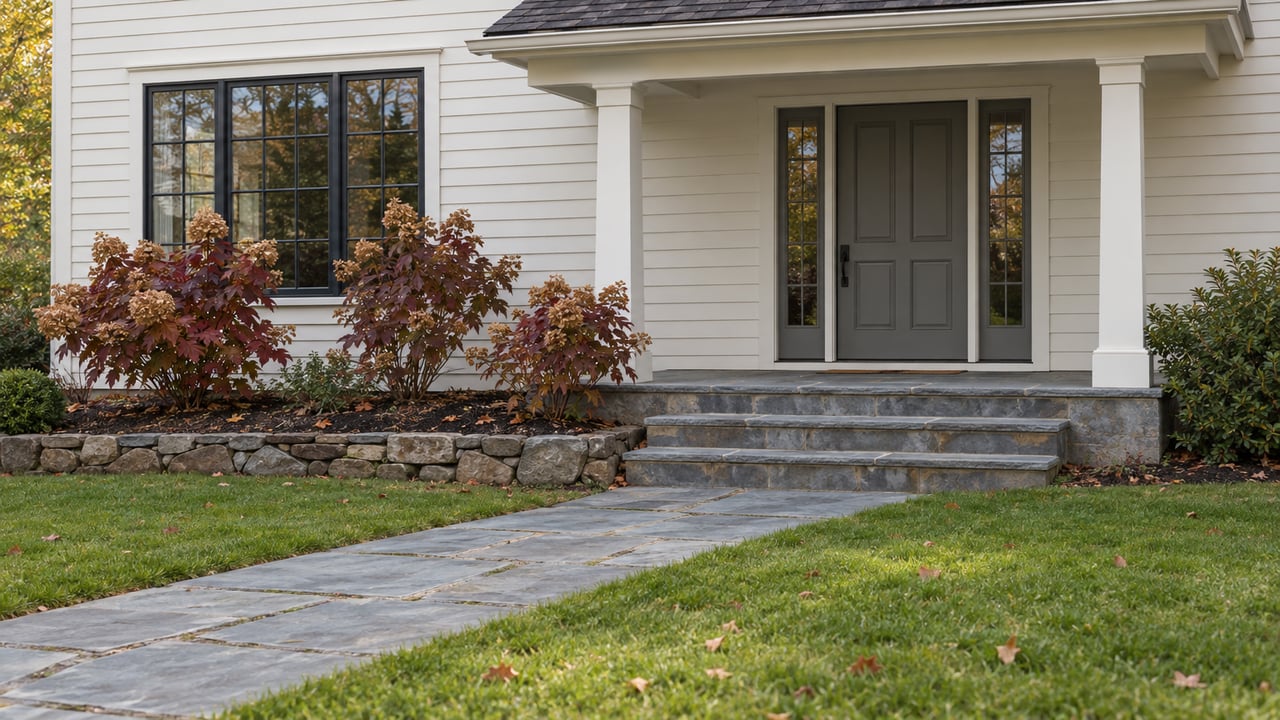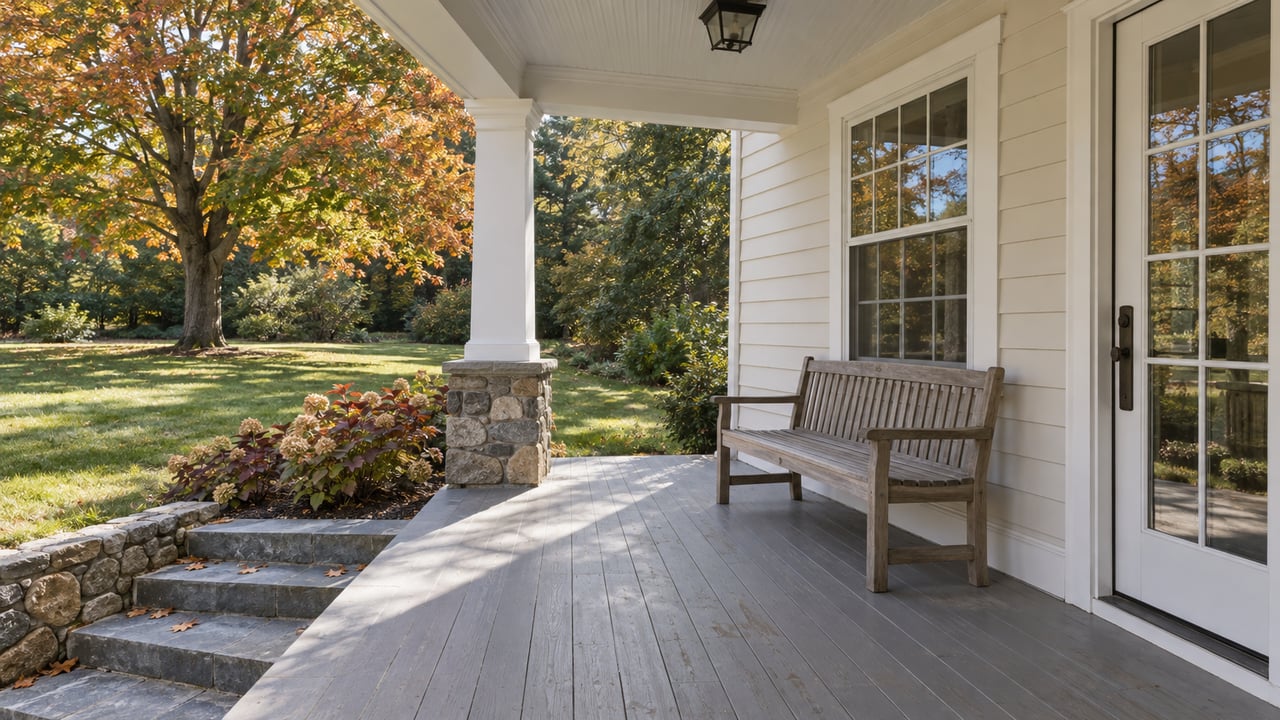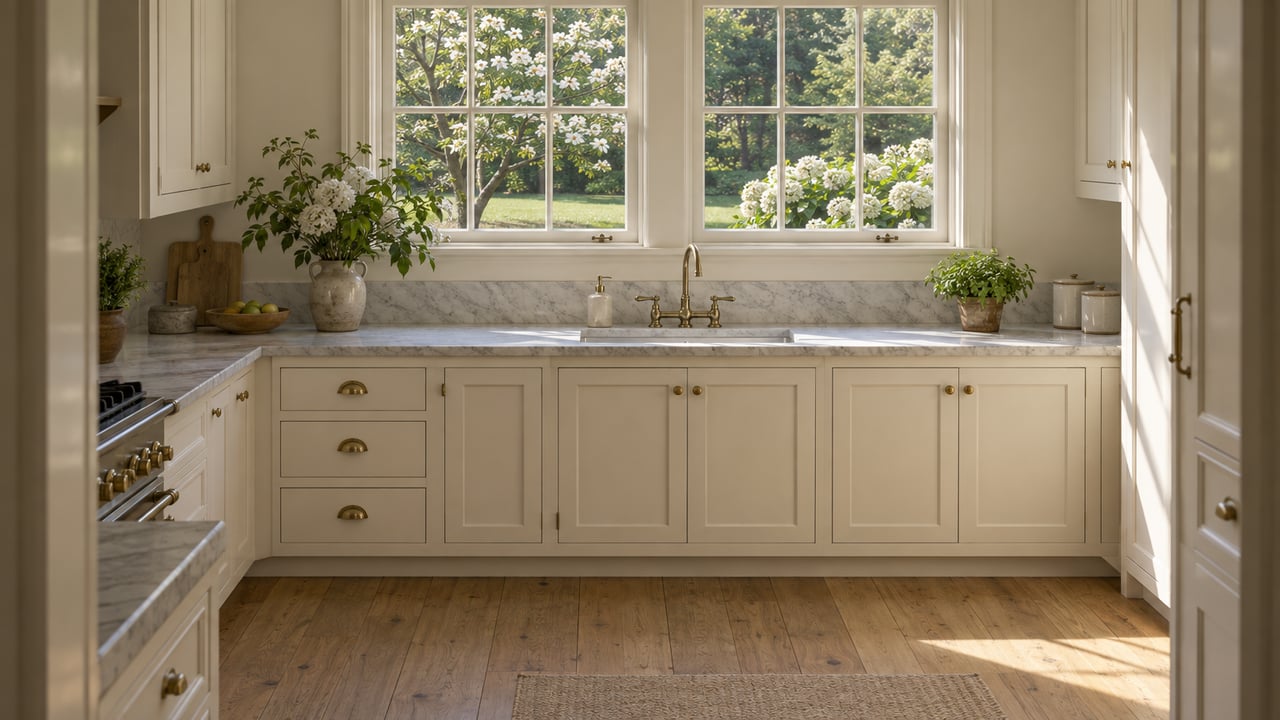
If you are looking for a Fairfield County town that feels peaceful without feeling disconnected, Wilton deserves a closer look. Many buyers want a place with everyday conveniences, outdoor space, and a manageable commute, but they do not want the feel of a busy urban center. Wilton stands out because it blends village-style living, commuter access, and a strong connection to nature in one town. Here is what it is really like to live in Wilton, Connecticut.
Wilton has a village-centered feel
One of the first things you notice about Wilton is that it does not revolve around one dense downtown. Instead, the town is organized around village centers like Wilton Center, Cannondale, and Georgetown, with a mixed-use spine along Danbury Road and the Norwalk River, according to town planning documents.
That shape affects daily life in a practical way. Rather than a single packed commercial core, you get a more spread-out rhythm of local errands, small businesses, and civic spaces. Wilton Center is designed to support small-scale retail, sit-down restaurants, banks, financial institutions, medical offices, fitness clubs, and bed-and-breakfast uses under the town’s village district zoning.
For many residents, that means Wilton feels both convenient and calm. You can take care of day-to-day needs locally, but the town still feels open and residential rather than crowded.
Open space shapes daily life
Wilton has a strong nature-oriented identity. The town’s planning materials say about 23% of Wilton is open space, and about half of that land is formally protected, based on the town’s planning report.
That open-space network is a big part of the lifestyle here. It gives Wilton a more spread-out feel than some other Fairfield County towns, even though it remains well connected. If you like the idea of living somewhere that feels green, scenic, and less built up, Wilton checks that box.
Outdoor recreation is also part of everyday life. Parks and Recreation reported about 90,000 visits in 2023, and the town maintains 400 acres of parks, 29 natural grass fields, and 2 artificial turf fields, according to town meeting materials.
Outdoor activities are easy to find
If being outside matters to you, Wilton offers more than just pretty scenery. The recreation system is active and well used, with parks, fields, and community facilities that support everything from casual walks to organized sports.
Merwin Meadow is one of the town’s better-known recreation spots. The town reports that it includes playgrounds, a beach, lifeguards, and lessons, making it a meaningful part of the local lifestyle for many residents, based on the same Parks and Recreation update.
Another standout is the Norwalk River Valley Trail, which is planned to connect Danbury, Ridgefield, Redding, Wilton, and Norwalk. The regional report describes it as a trail system that links parks, schools, town centers, train stations, and other destinations for both recreation and, in some sections, transportation.
That combination matters. In Wilton, outdoor space is not just something you see from your car. It is built into how many people spend their free time and move through town.
Daily amenities feel local and community-focused
Wilton’s civic spaces help give the town its grounded, local feel. The Wilton Library Innovation Station adds a modern makerspace element to one of the town’s key public institutions, while the Wilton Historical Society helps preserve the area’s historic character.
Comstock Community Center is another important local hub. The town’s Plan of Conservation and Development says it houses Parks and Recreation, Social Services, the Senior Center, and the Food Pantry, making it a place many residents interact with in some way during everyday life, according to the adopted town plan.
These kinds of amenities can be easy to overlook when you are comparing towns online. But once you live somewhere, they often shape your experience just as much as housing or commute times.
Commuting in Wilton is practical
Wilton appeals to many buyers because it offers commuter rail access without a denser downtown setting. The town is served by the Metro-North Danbury Branch through the Wilton and Cannondale stations.
According to MTA station information for Wilton, Wilton station has a ramp-accessible platform, a ticket machine, and bus connections to HARTransit and Norwalk Transit. Cannondale is also ramp-accessible and connects to Norwalk Transit, and town planning materials list 251 parking spaces at Wilton station and 141 at Cannondale.
For many residents, road access is also part of the picture. Danbury Road, also known as Route 7, is a major local corridor, so commuting in Wilton is usually a mix of rail and driving rather than a rail-only lifestyle.
Wilton also offers Dial-A-Ride service for seniors and adults with disabilities, including in-town trips and service to Norwalk. That adds another layer of practicality and support that is worth knowing about.
Housing is mostly single-family
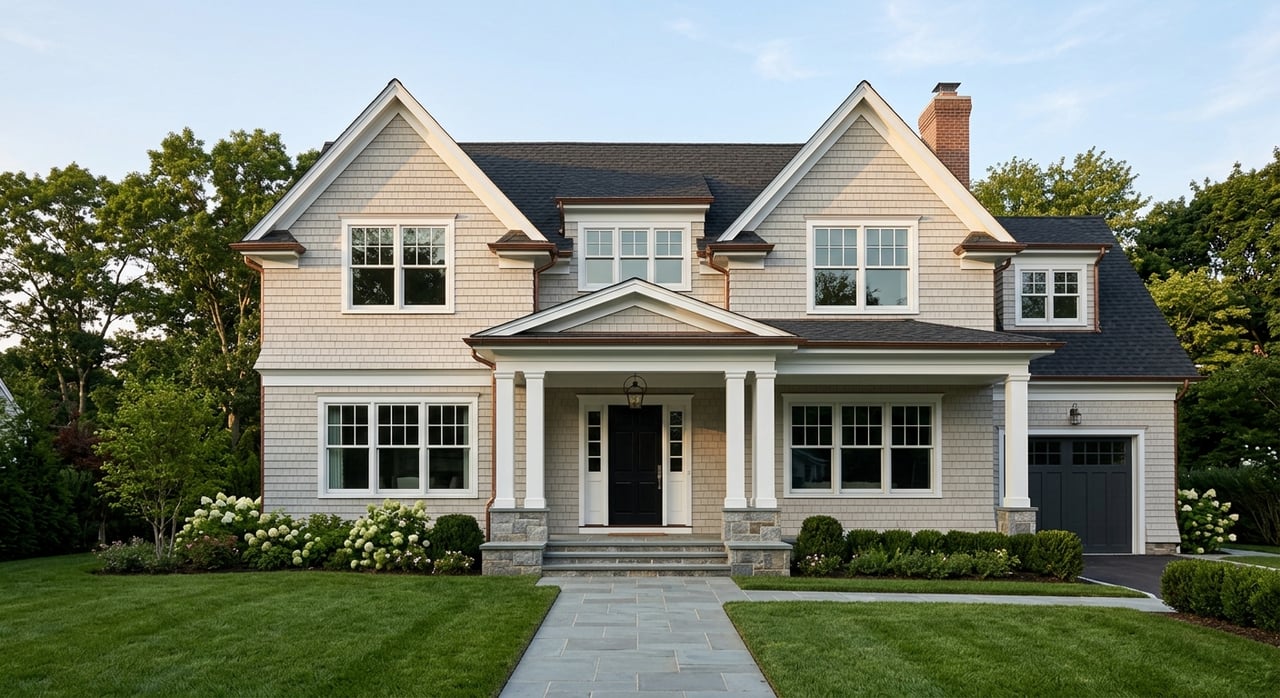
From a housing perspective, Wilton remains primarily a single-family town. The owner-occupied rate is 88.6%, and the median value of owner-occupied homes was $928,800 in 2020-2024 ACS data, according to the U.S. Census QuickFacts page.
Town planning documents show that much of Wilton is low-density and centered on detached homes. In more rural parts of town, homes are often tied to private wells and septic systems, according to the Plan of Conservation and Development.
That said, Wilton is not only large-lot single-family housing. The town’s planning materials point to more limited condo and apartment options in select center and station-area pockets, rather than evenly throughout town, based on the affordable housing planning annex.
For buyers, that means your home search in Wilton often starts with detached homes, but there may also be more compact options depending on your price point, location goals, and property type preferences.
Wilton sits in the premium end of the market
Wilton is clearly in the higher-priced segment of Fairfield County, but it is not the very top of the local value range. Census data places Wilton’s median owner-occupied home value below Westport and New Canaan, while still reflecting a premium market position, according to Census QuickFacts for Wilton.
That can make Wilton appealing to buyers who want a high-demand Fairfield County location with strong lifestyle appeal, but who are also comparing value across nearby towns. In practical terms, many people see Wilton as offering a mix of space, village convenience, and commuter access that feels distinct from both denser and more expensive nearby markets.
So, what is it really like to live in Wilton?
The clearest answer is that Wilton feels balanced. It is a town where village centers, rail access, civic amenities, and open space all play a role, but the overall character stays residential, green, and low-density.
If you want one large downtown with a more fast-paced atmosphere, Wilton may not be the right fit. But if you want a town that offers local conveniences, meaningful outdoor access, and a primarily single-family housing landscape, Wilton offers a lifestyle that many buyers find compelling.
Because Wilton is shaped by several village nodes rather than one central district, your experience can vary depending on where in town you live and what matters most to you. That is why local guidance can make such a difference when you start comparing homes, locations, and day-to-day routines.
If you are thinking about buying or selling in Wilton, working with a local expert can help you understand how different parts of town line up with your goals. Meghan Wall brings Wilton-first knowledge, clear communication, and personalized support to every step of the process.
FAQs
What is the overall lifestyle like in Wilton, Connecticut?
- Wilton offers a village-centered, primarily residential lifestyle with local amenities, commuter rail access, and a strong connection to open space and outdoor recreation.
Is Wilton, Connecticut more rural or more like a downtown town?
- Wilton is best described as a mix of both, with village centers like Wilton Center, Cannondale, and Georgetown, plus substantial open space and a lower-density residential layout.
What kinds of homes are common in Wilton, Connecticut?
- Most homes in Wilton are detached single-family properties, with smaller pockets of condo and apartment living near village and station areas.
How do people commute from Wilton, Connecticut?
- Many residents use a mix of Metro-North Danbury Branch service, station parking, bus connections, and driving along Danbury Road and Route 7.
Does Wilton, Connecticut have good outdoor recreation options?
- Wilton has a strong recreation profile, including parks, fields, Merwin Meadow, and access to the Norwalk River Valley Trail network.