Are you thinking about making a move within Fairfield County and wondering if New Canaan is the right next step? For many move-up buyers, the town stands out for its commuter rail access, walkable village center, distinctive architecture, and low-density residential feel. If you want a clear picture of what daily life and the housing market really look like, this guide will help you understand how New Canaan fits your goals. Let’s dive in.
Why New Canaan Draws Move-Up Buyers
New Canaan is a relatively small town with an affluent, mostly owner-occupied housing base. Census data estimates about 21,160 residents, with 83.7% owner occupancy and a median owner-occupied home value of $1,611,900. That combination points to a town where homeownership is a major part of the local housing picture.
For many buyers, the appeal is not just price point or prestige. It is the mix of village convenience, commuter access, and residential character. New Canaan Museum & Historical Society notes that the walkable business district includes year-round shops and restaurants, which gives the town center a more active daily-life feel than a purely residential commuter stop.
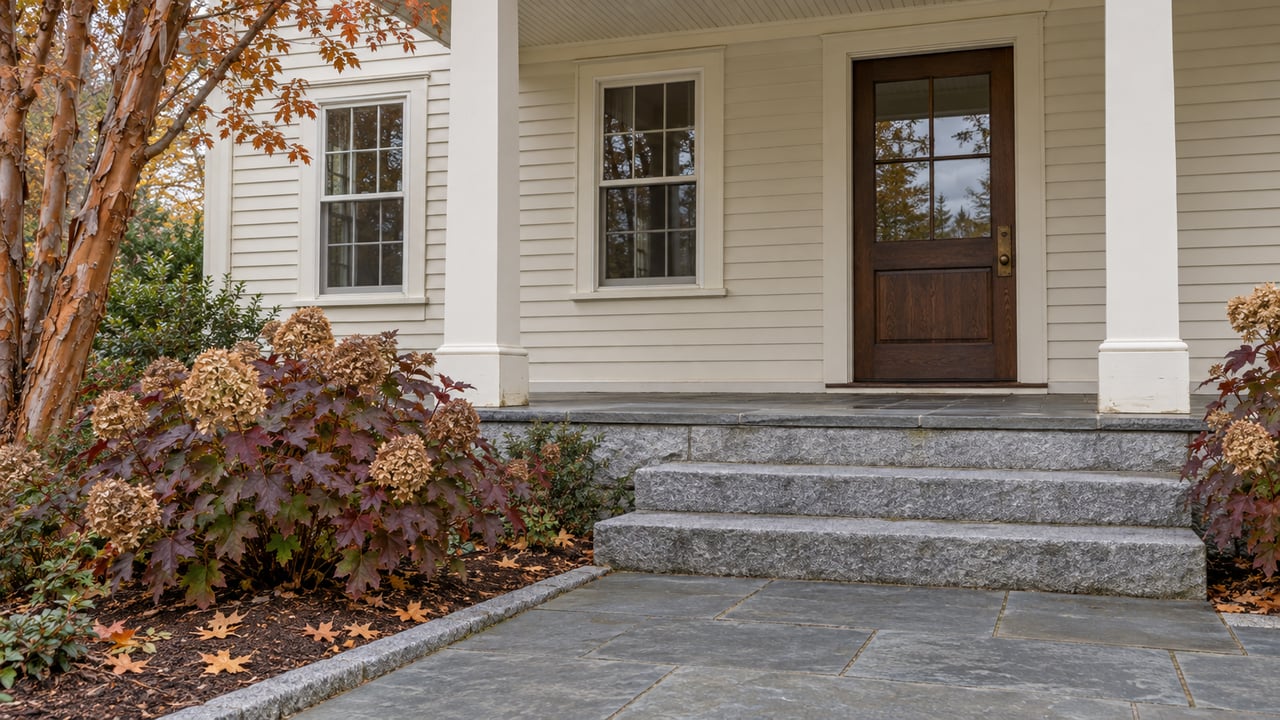
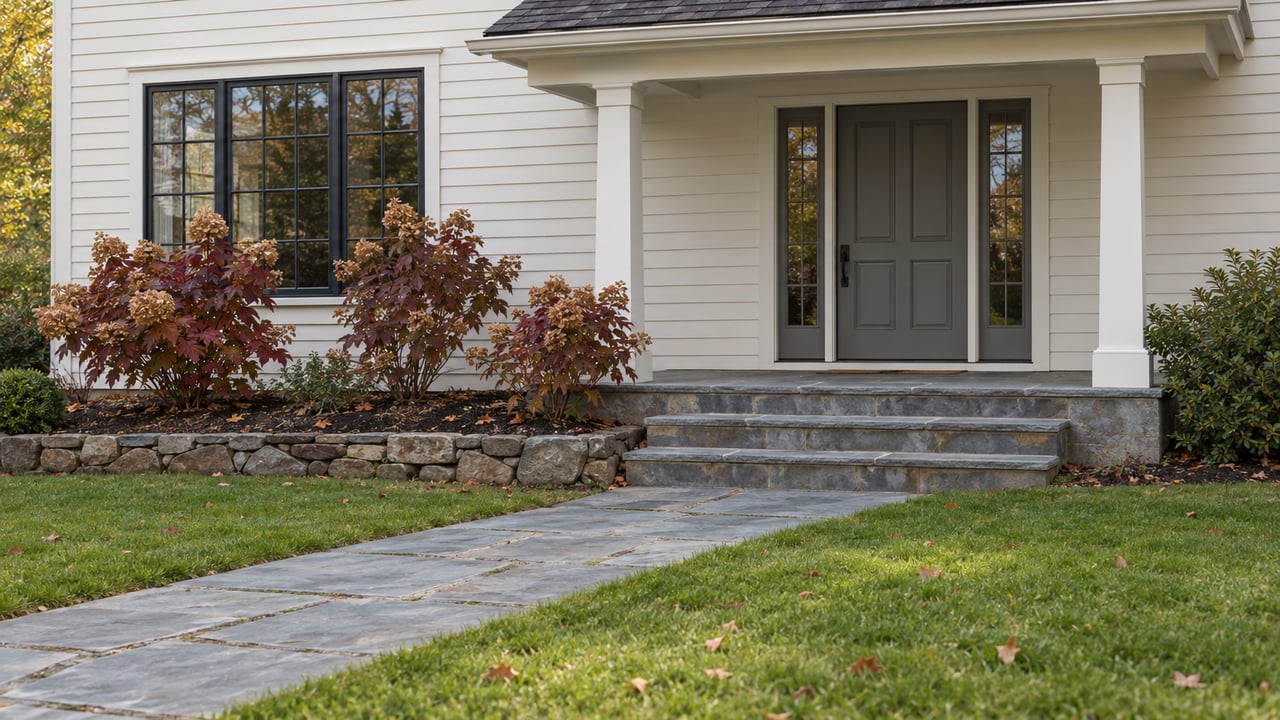
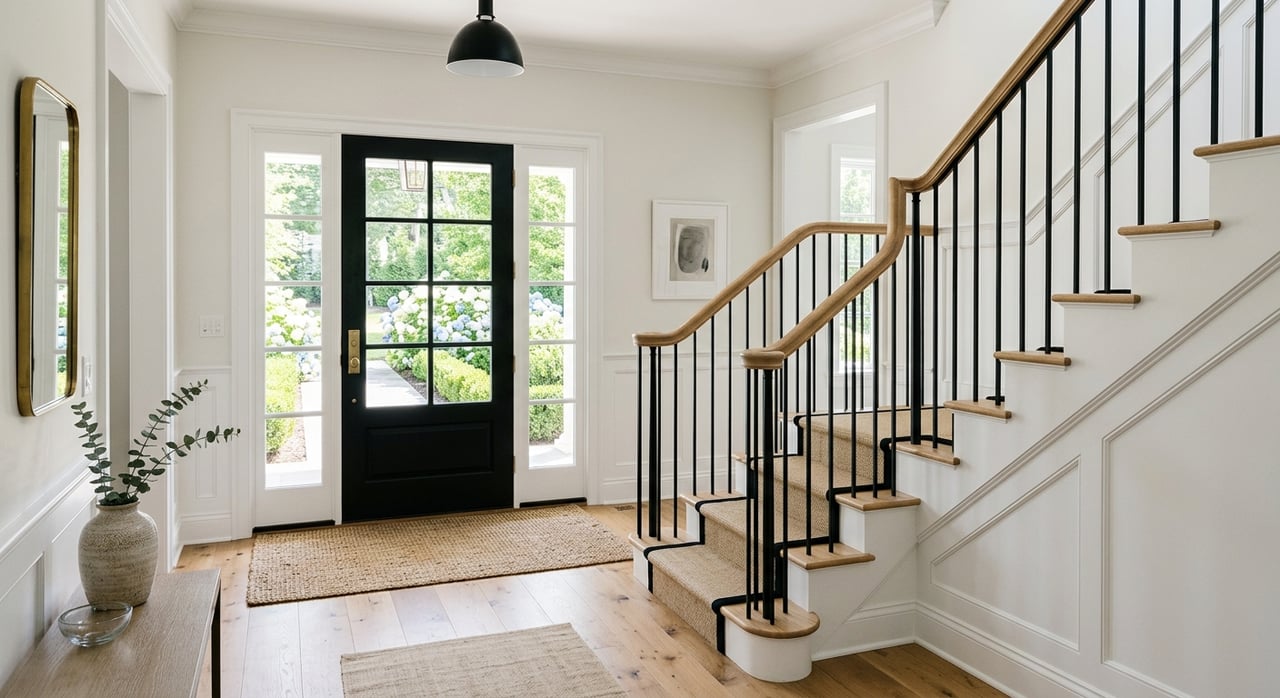
The town also has a strong architectural identity. New Canaan is known for both historic landmarks and mid-century modern design, giving buyers a wider range of home styles than you might expect in a single community. If design matters to you, that can be a meaningful part of your search.
What the Housing Stock Looks Like
New Canaan is shaped largely by single-family zoning. Town regulations allow single-family dwellings by right in residential zones, while two-family homes are limited to the B Residence Zone by special permit, and multi-family or apartment uses are confined to designated special zones. In practical terms, that means your search will usually center on detached homes rather than broad multi-unit options across town.
Lot size can vary a lot depending on where you look. The zoning code sets minimum lot area from 174,240 square feet in the Four Acre Residence Zone down to 7,500 square feet in the B Residence Zone. Minimum frontage also ranges widely, from 350 feet down to 75 feet.
For you as a buyer, that means one pocket of town can feel very different from another. Some areas offer a more estate-like setting, while others may offer a more compact pattern closer to the village. Even with those differences, the overall framework remains low-density.
How to Think About Space and Flexibility
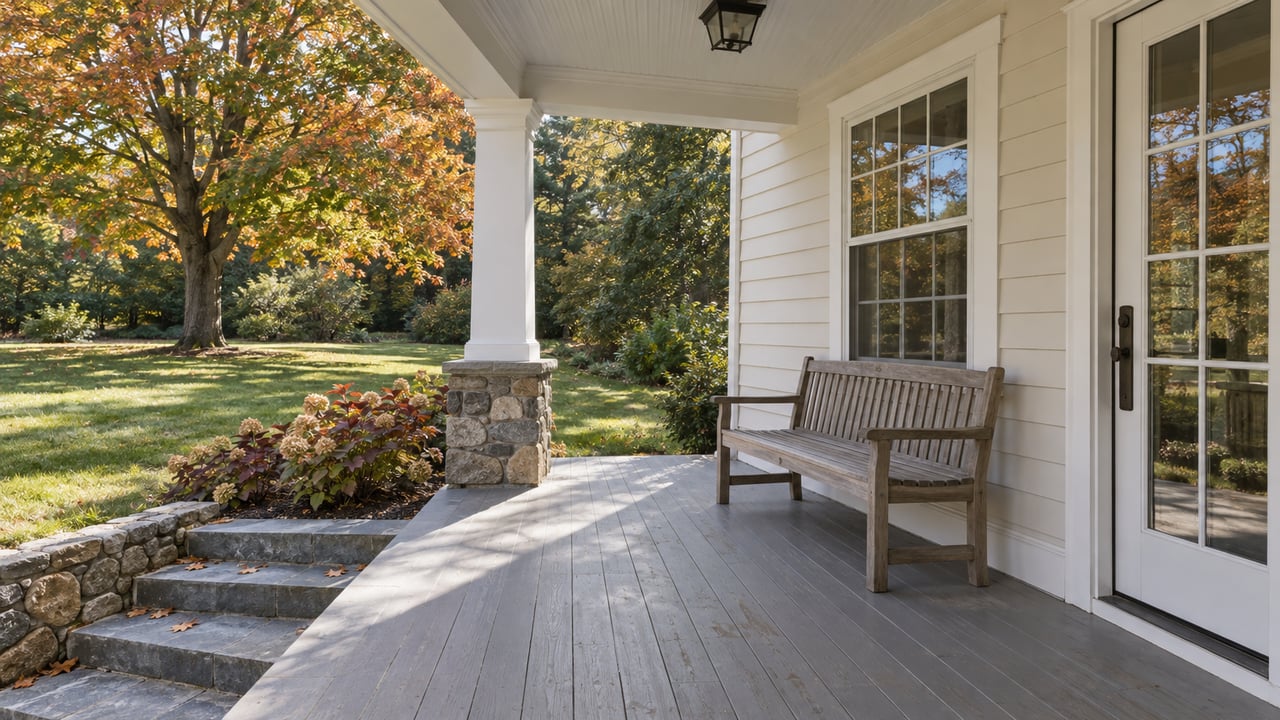
If you are moving up, square footage is only part of the decision. You may also be thinking about outdoor space, privacy, guest arrangements, or long-term flexibility. In New Canaan, those questions often tie directly to lot size and zoning.
Accessory dwelling units are allowed under specific conditions, including rules tied to lot size, zoning standards, owner occupancy, and a one-ADU-per-lot limit. If you hope to create space for extended family, a caregiver, or long-term guest use, it is important to evaluate that potential property by property. Not every home will offer the same path.
This is one reason move-up buyers benefit from looking beyond listing photos. A home may seem similar on paper to another home at a comparable price, but the land, zoning context, and use flexibility can be very different.
What Commuting Really Looks Like
For buyers balancing space with access to New York City, New Canaan offers two in-town Metro-North stations: New Canaan and Talmadge Hill. According to the MTA branch map, select weekday trains run directly to and from Grand Central, while other trips require a transfer at Stamford. The current branch schedule shows several morning departures from New Canaan reaching Grand Central in about 68 to 73 minutes.
The two stations do not offer the same experience. New Canaan station is accessible and includes ticket machines, a waiting area, and public restrooms. Talmadge Hill has ramp access, but it is a simpler stop without ticket machines or a ticket office.
That difference matters more than many buyers expect. If rail access is a major part of your weekly routine, it helps to think about not just train times, but also the ease and comfort of your regular station experience.
What Daily Life Feels Like
New Canaan offers more than a place to sleep between workdays. The town center supports everyday errands and leisure with a walkable cluster of shops, restaurants, and civic destinations. New Canaan Library sits on Main Street, and the museum campus on Oenoke Ridge is within walking distance of the station.
Waveny Park adds another layer to daily life. The 450-acre public park includes Waveny House, a dog park, Steve Benko Pool, paddle courts, and a rose garden. For buyers who want both a village center and accessible open space, that combination can be a strong plus.
This matters because moving up is usually not only about buying a larger home. It is also about improving how your day works, from commute rhythm to weekend routines to the places you can reach easily.
What the Market Says Right Now
New Canaan remains a premium market, and buyers should plan accordingly. Realtor.com’s April 2026 snapshot shows 94 active listings, a median listing price of $2.795 million, a median sold price of $2.6275 million, and a median of 34 days on market. The same source reports that homes sold for about asking price on average in March 2026.
That does not mean every home moves the same way. Price, condition, presentation, and location still matter a great deal. In a market like this, well-positioned homes can move efficiently when pricing lines up with buyer demand.
Full-year 2025 market data from Berkshire Hathaway HomeServices Connecticut also points to strong pricing. That report shows 214 house closings, a median house price of $2.6 million, an average house price of $3.03 million, and 22 sales above $5 million. It also reports a 103.4% list-to-sale ratio for houses and 103.2% for condos.
Why Price Tiers Matter in New Canaan
One of the biggest mistakes move-up buyers can make is assuming a town has one single market. New Canaan does not. The town has premium pricing overall, but the entry point and pace can shift depending on neighborhood, home style, age, and property type.
For example, Realtor.com’s Silvermine neighborhood metric shows a median listing price of $1.35 million and 51 median days on market. That is lower than New Canaan’s overall median listing price, but still premium compared with many other Fairfield County areas.
The takeaway is simple. If your budget does not line up with the top end of New Canaan, there may still be opportunities, but they are more likely to be specific rather than widespread. They may come in older homes, smaller homes, condo options, or particular pockets of town.
Questions to Ask Before You Buy
Before you commit to New Canaan, it helps to get clear on the tradeoffs that matter most to you. A move-up purchase works best when your budget, lifestyle, and property goals all fit the town’s realities.
Here are a few smart questions to ask yourself:
- Do you want walkability to the village, or are you prioritizing a larger lot?
- How important is a direct rail option versus a transfer at Stamford?
- Are you looking for a classic New England home, a historic property, or mid-century modern design?
- Do you need flexibility for future guest space or an accessory dwelling unit?
- Are you comfortable competing in a market where many homes sell close to asking and some segments sell above it?
When you answer those questions early, your search becomes more focused. You can quickly tell which homes are truly aligned with your next chapter and which ones only look appealing at first glance.
How to Approach a Move-Up Search
A successful move-up search in New Canaan usually starts with clarity, not volume. Because the town is shaped by large-lot zoning, premium price tiers, and meaningful differences between areas, it helps to define your non-negotiables early.
Start with these priorities:
- Budget range: Know your comfortable ceiling, not just your maximum approval.
- Commute style: Decide how much station access and travel time affect your search.
- Lot and home style: Separate your wish list from your must-haves.
- Location pattern: Think about village convenience versus a more private setting.
- Future flexibility: Consider long-term needs such as guest space or aging-in-place options.
This kind of planning makes it easier to compare properties realistically. It also helps you act with confidence when the right home appears.
Why Local Guidance Matters
New Canaan can look straightforward from a distance. In reality, it asks buyers to weigh subtle but important differences in lot size, zoning context, commute access, and pricing by segment. Those details shape both your day-to-day life and your long-term value.
That is where local Fairfield County perspective matters. If you are comparing New Canaan with towns like Wilton, Darien, Westport, or Ridgefield, you want more than a list of active homes. You want practical guidance that helps you understand what you are gaining, what you are trading off, and where your budget will work best.
If you are considering a move to New Canaan and want a thoughtful, local perspective on how it compares with other Fairfield County options, Meghan Wall can help you navigate the search with steady communication and personalized guidance.
FAQs
What kind of housing is most common in New Canaan?
- New Canaan is primarily shaped by single-family housing, with multi-family and apartment uses limited to designated special zones under town zoning regulations.
What is the typical price range for homes in New Canaan?
- As of April 2026, Realtor.com reported a median listing price of $2.795 million and a median sold price of $2.6275 million, showing that New Canaan remains a premium market.
What should move-up buyers know about lot sizes in New Canaan?
- Lot sizes can vary significantly by zoning district, from a minimum of 174,240 square feet in the Four Acre Residence Zone to 7,500 square feet in the B Residence Zone.
What is the New Canaan commute like to Grand Central?
- MTA schedules show several weekday morning departures from New Canaan reaching Grand Central in about 68 to 73 minutes, with some trips direct and others requiring a transfer at Stamford.
What amenities are available near downtown New Canaan?
- The town center includes year-round shops and restaurants, New Canaan Library on Main Street, the museum campus near the station, and access to Waveny Park’s 450 acres and public amenities.