If you picture waterfront living as a vacation-only lifestyle, Norwalk may surprise you. Here, the shoreline is part of everyday life, from harbor walks and train access to parks, marinas, and seasonal beach routines. If you are considering a move to Norwalk or simply want a clearer sense of what daily life near the water actually feels like, this guide will help you understand the neighborhoods, housing mix, and practical details that shape the experience. Let’s dive in.
Why Norwalk’s waterfront stands out
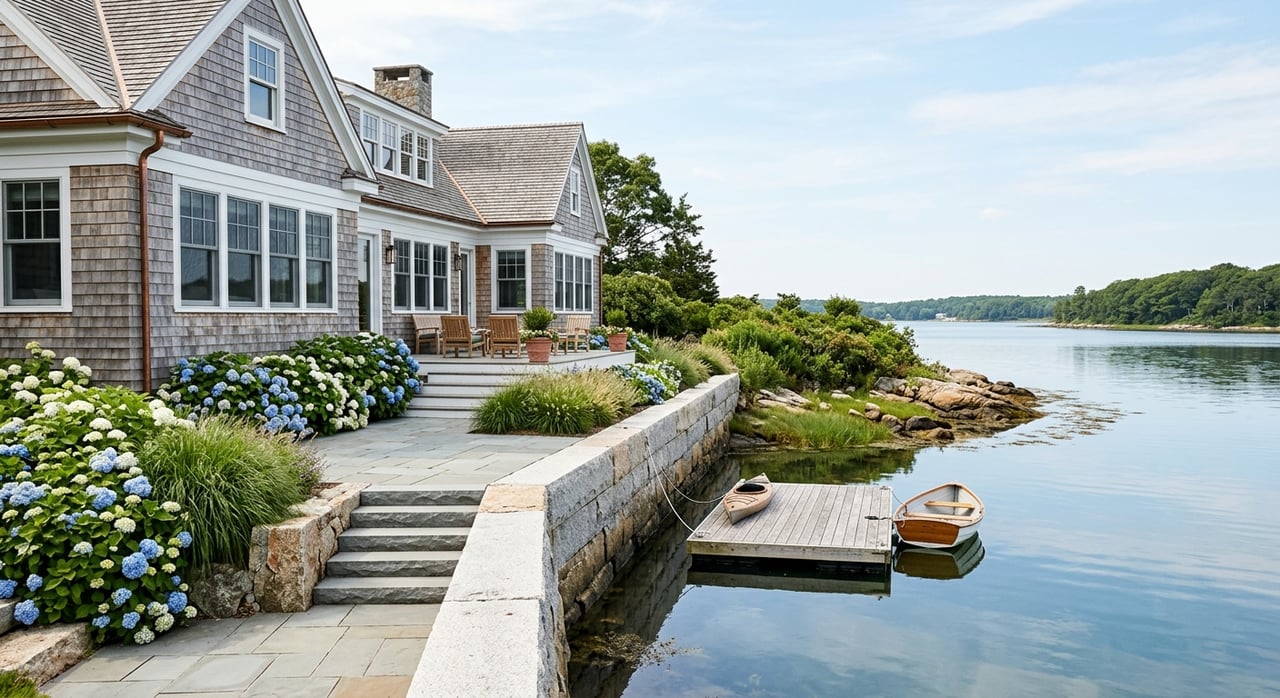
Norwalk’s harbor and Long Island Sound are central to the city’s identity, quality of life, and planning. That matters because the waterfront here is not treated as a separate destination on the edge of town. It is woven into how people live, move around, and spend their time.
You see that in the range of public spaces along the shore. Calf Pasture Beach and Shady Beach offer seasonal coastline access, sports courts, a splash pad, a sailing school, and events, while Veterans Memorial Park and Marina adds a boat launch, visitor docks, and harbor-front paths. Oyster Shell Park also gives you easy harbor views, which adds to the sense that water access is part of the city’s daily rhythm.
Waterfront neighborhoods to know
Norwalk’s shoreline is not one single look or lifestyle. Instead, it includes a coastal corridor of neighborhoods and harbor-side pockets, each with a slightly different feel, housing pattern, and connection to the water.
South Norwalk living
South Norwalk, often called SoNo, is the clearest example of an urban waterfront lifestyle in Norwalk. City materials highlight waterfront views, shopping, dining, and transit in one area, which makes it especially appealing if you want walkability as part of your routine.
This is the part of the shoreline where you can be close to docks, restaurants, boutiques, live entertainment, the Maritime Aquarium, and the library. If your ideal day includes being able to step out for a walk, grab a meal, and stay connected to transit, South Norwalk offers that kind of environment.
East Norwalk and beach access
East Norwalk is worth a close look if you want shoreline living with rail access and a less urban setting than SoNo. The city includes East Norwalk and Beach in its walking-map program, which reflects how this area connects everyday movement with shoreline amenities.
For buyers, that can translate into a lifestyle where the water is nearby but daily errands and commuting still matter. It is a practical option to explore if you want to balance neighborhood living with access to the New Haven Line.
Rowayton and coastal character
Rowayton is another key shoreline area for buyers drawn to a coastal setting with train access. The city’s walking routes include Rowayton, and Metro-North serves the Rowayton station on the New Haven Line.
This combination makes Rowayton relevant for people who want a shoreline environment that still supports weekday commuting. It is one more example of how Norwalk’s waterfront experience can be about both scenery and function.
Other harbor-adjacent areas
You may also hear names such as Harbor Shores, Harborview, Marvin Beach, Shorefront Park, Wilson Point, and Village Creek. These areas appear on the city’s neighborhood materials as part of the broader shoreline and harbor corridor.
That is helpful to know during a home search because waterfront living in Norwalk is not limited to one marquee district. There are several pockets where the relationship to the harbor, beach access, or coastal setting can shape the day-to-day experience.
What daily life feels like near the water
One of the biggest advantages of Norwalk’s waterfront is that it supports more than one kind of routine. You are not limited to occasional beach days. Depending on where you live, everyday life can include walks by the harbor, marina activity, park visits, train commutes, and seasonal events.
Walking is part of the lifestyle
Norwalk actively promotes walking as part of daily life through its NorWALKER program. Its route map includes South Norwalk, East Norwalk and Beach, Rowayton, and Oyster Shell Park, which shows that the waterfront experience often includes short walking trips rather than always getting in the car.
For many buyers, that is a meaningful lifestyle detail. It suggests that living near the water here can feel connected and usable, not just scenic from a distance.
Parks, beaches, and public access
Calf Pasture Beach and Shady Beach are central to waterfront recreation in Norwalk. In season, these areas offer access to the shoreline along with amenities such as sports courts, a splash pad, and a sailing school.
Veterans Memorial Park and Marina adds another layer, with a marina, boat launch, visitor docks, and harbor-front paths. Together, these public spaces make it easier to picture what your weekends, evenings, and warmer months might look like if you live nearby.
Boating and marina activity
If boating matters to you, Norwalk’s waterfront has a strong connection to that lifestyle. The city describes the harbor and coastline as a draw for boating enthusiasts, and Veterans Memorial Park and Marina includes slips for harbor moorings as well as launching access.
That does not just matter for boat owners. Even if you are not on the water yourself, marina activity adds to the day-to-day feel of the shoreline and helps define the character of many waterfront areas.
Housing near the shoreline
A common misconception is that waterfront living means one narrow property type. In Norwalk, the housing stock near the water is mixed, which gives buyers more than one entry point depending on budget, lifestyle, and space needs.
The city notes that Norwalk includes newer multifamily apartment buildings and condominiums in the urban core, along with townhouses and single-family homes. It also points out that the outer parts of the city include beachfront cottages and single-family homes.
For you, that means the shoreline search may range from a condo near SoNo and the harbor to a detached home in a quieter coastal pocket. The right fit often comes down to how much walkability, privacy, maintenance, and direct proximity to the water you want.
Practical details buyers should know
Waterfront living can be rewarding, but it also comes with day-to-day realities that are worth understanding early. In Norwalk, seasonality, parking rules, station access, and coastal regulations can all affect your experience.
Seasonal access and parking rules
Beach and park parking fees at Calf Pasture Beach, Veterans Park, Taylor Farm, and Cranbury Park run from May 15 to October 15 each year. The city also notes that there are no lifeguards on duty after Labor Day.
If you plan to use Calf Pasture often, parking details matter. Norwalk residents must verify their license plates after April 1 each year, while non-resident parking at Calf Pasture is first come, first served and limited to 130 spots daily. Shady Beach does not allow non-resident parking.
Seasonality also shows up in recreation. Kayak rack rentals at Calf Pasture Beach and Shady Beach run from April 1 through November 1, and the city lists seasonal events such as car shows, free movies, and concerts.
Commuting from waterfront areas
If you are comparing shoreline neighborhoods, train access can be a major part of the decision. South Norwalk, East Norwalk, and Rowayton are all on the New Haven Line, but the station experience is not identical.
South Norwalk station includes elevators, ramps, tactile warning strips, audiovisual passenger information systems, ticket machines, and Norwalk Transit connections. East Norwalk and Rowayton stations have ramp access, but they do not have a fully accessible path between platforms, so vehicular drop-off and pick-up is suggested.
That may sound like a small detail, but it can make a real difference in day-to-day convenience. For some buyers, station setup is part of the neighborhood choice itself.
Coastal rules for waterfront property
If you are considering a home very close to the water, the property search often involves more than location and style. Norwalk’s coastal-area guidance explains that properties in the Coastal Area Management Zone may be subject to Coastal Site Plan Review.
The same city guidance notes that the Connecticut Department of Energy and Environmental Protection has jurisdiction over activities in tidal waters and tidal wetlands, including items such as docks and seawalls. Norwalk flood regulations also prohibit work within 25 feet of the mean high water or tide line.
For buyers, this is one of the clearest differences between a standard home purchase and a shoreline home purchase. It is important to understand these rules early if you are evaluating future property changes or waterfront improvements.
How to choose the right waterfront fit
The best Norwalk waterfront neighborhood for you depends on how you want your everyday life to work. Some buyers want a walkable district with dining, activity, and train access close by. Others prefer a more residential coastal pocket where the shoreline feels quieter and more tucked away.
As you compare areas, it helps to think through a few practical questions:
- Do you want walkability or a more residential setting?
- How important is train access to your weekly routine?
- Are you looking for a condo, townhouse, or single-family home?
- Do you want boating or marina access nearby?
- How much do seasonal parking and beach-use rules matter to you?
- Are you comfortable with the added regulations that can come with coastal property?
When you look at the waterfront through that lens, your search becomes much clearer. Instead of shopping by name alone, you can focus on which neighborhood best supports the way you actually want to live.
Norwalk’s waterfront is appealing because it offers variety. You can find lively harbor-side areas, neighborhoods with beach access, and residential pockets that feel more removed, all within the same coastal city. That mix is a big part of what makes Norwalk worth a closer look for buyers who want more than a one-size-fits-all shoreline experience.
If you are thinking about buying or selling in Norwalk and want practical, local guidance on how different waterfront areas compare, Meghan Wall can help you navigate the options with clear advice and steady support.
FAQs
What is daily life like in Norwalk’s waterfront neighborhoods?
- Daily life often includes harbor walks, public parks, beach access, marina activity, seasonal events, and in some areas, convenient train access and walkable amenities.
Which Norwalk waterfront area is most walkable?
- South Norwalk is the most clearly walkable urban waterfront district in city materials, with waterfront views, dining, shopping, and transit close together.
Can you commute easily from Norwalk waterfront neighborhoods?
- Yes, South Norwalk, East Norwalk, and Rowayton all have Metro-North New Haven Line stations, though station accessibility and platform connections vary by location.
What types of homes are available near the Norwalk waterfront?
- Norwalk’s shoreline housing mix includes multifamily apartments, condominiums, townhouses, beachfront cottages, and single-family homes.
What should buyers know about Norwalk beach parking and seasonal access?
- Parking fees at certain parks and beaches run from May 15 to October 15, resident plate verification begins after April 1, and some locations have limited or restricted non-resident parking.
Are there extra rules for buying a waterfront home in Norwalk?
- Yes, some coastal properties may be subject to Coastal Site Plan Review, state oversight for work in tidal areas, and local flood regulations that limit work near the mean high water line.