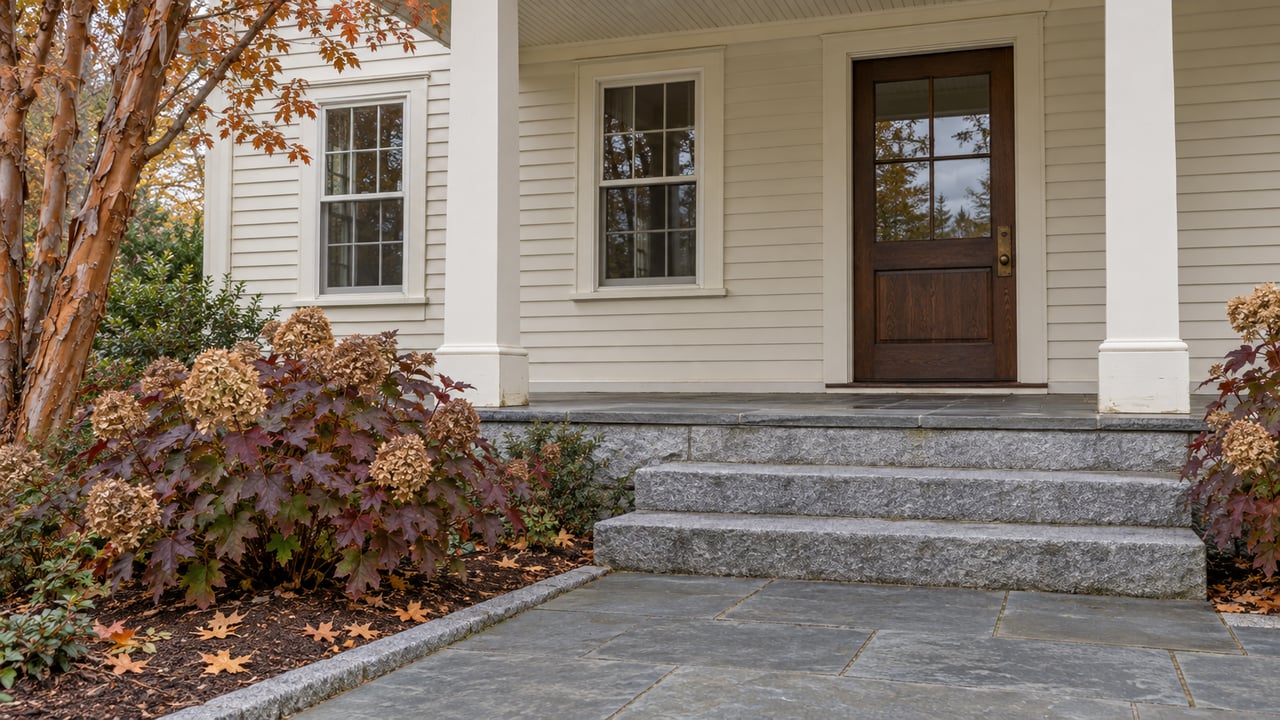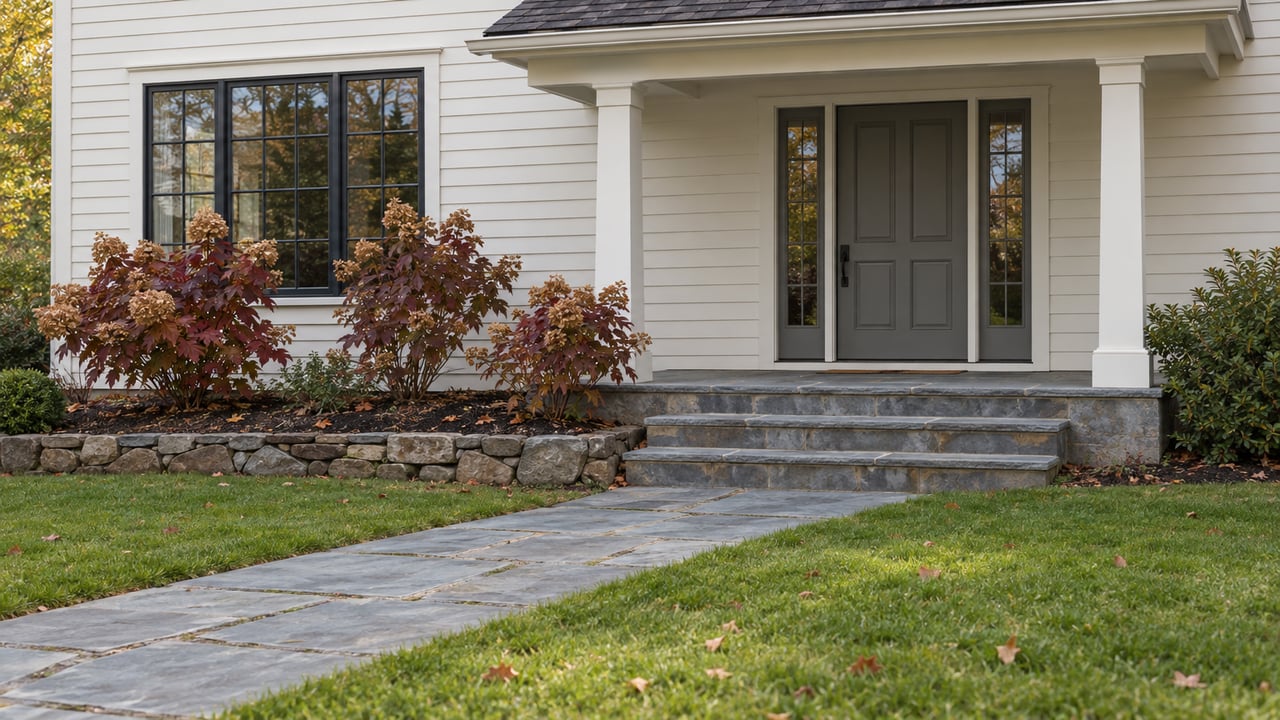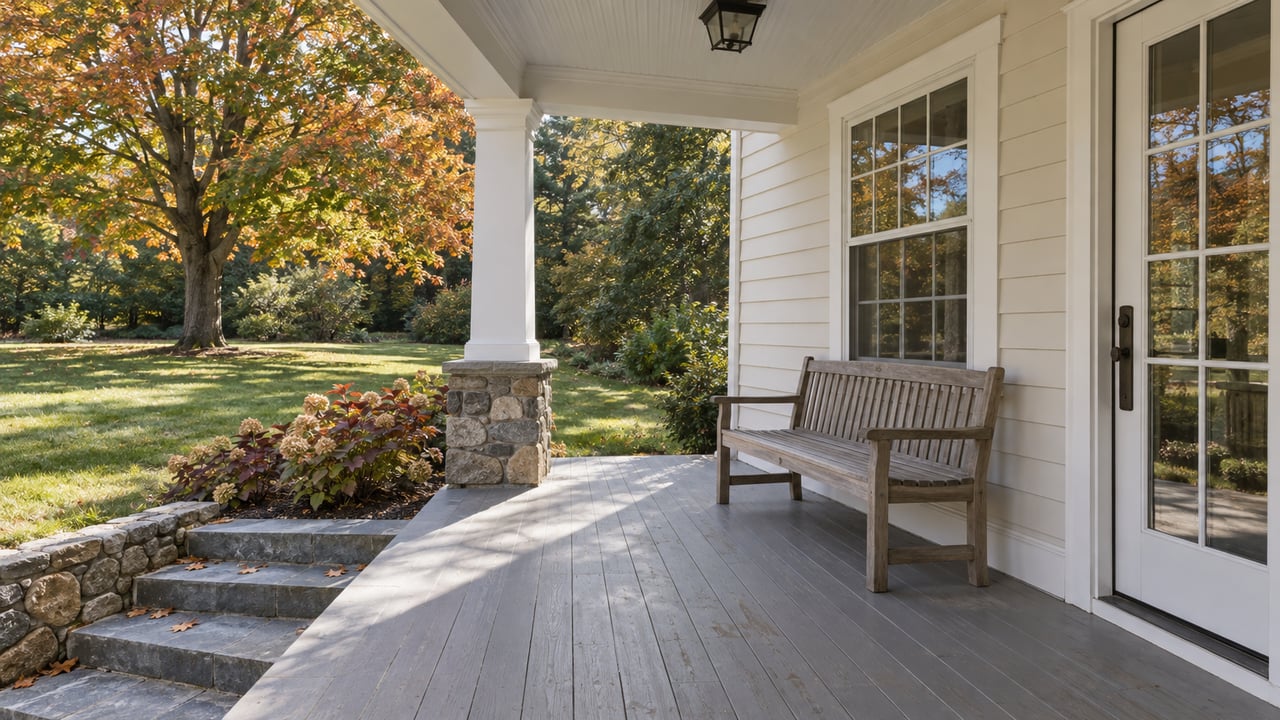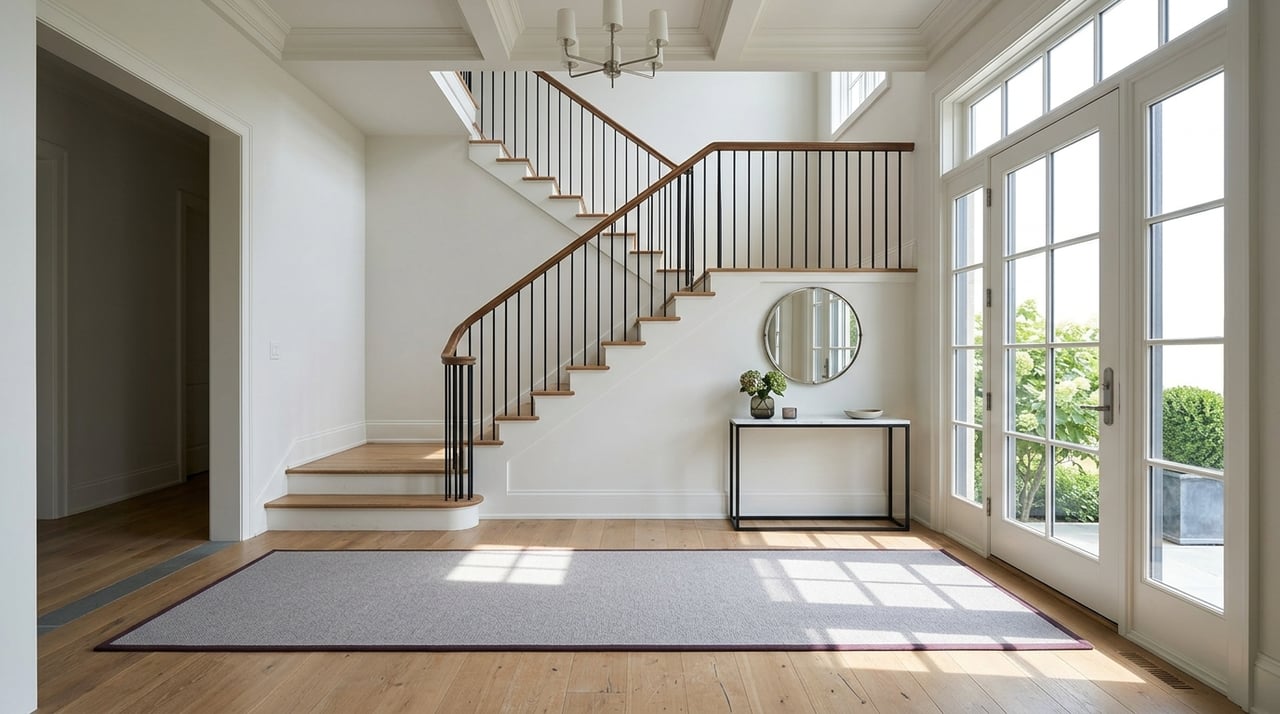
Selling a home can feel simple on paper and overwhelming in real life, especially when you are trying to time repairs, pricing, paperwork, showings, and your next move all at once. If you are planning to sell in Wilton, the good news is that a clear timeline can make the process feel much more manageable. This step-by-step guide walks you through what to expect before listing, during launch, and all the way to closing so you can plan with more confidence. Let’s dive in.
Start Planning Early
If you are thinking about selling your Wilton home within the next year, starting early can give you more control over the process. Recent market snapshots point to a relatively active Wilton market, with Realtor.com reporting a June 2026 median listing price of $1.399 million and a median 30 days on market, while Zillow said homes were going pending in around 10 days as of April 30, 2026. These figures measure different things, but together they suggest that a well-prepared home can attract attention quickly.
That is why preparation matters just as much as timing. Even if you hope to list during a busy season, the work that happens months in advance often shapes the outcome. Starting early gives you time to make thoughtful decisions instead of rushed ones.
6 to 12 Months Before Listing
This stage is about deciding, organizing, and building your plan. Connecticut’s Department of Consumer Protection advises sellers to organize finances, finish repairs or projects, hire a licensed seller’s agent, and complete the residential property disclosure paperwork. If you know a move is coming, this is the time to think through the bigger picture.
You may be weighing questions like whether to sell first or buy first, which updates are worth the investment, and how your timeline fits with work or family logistics. A steady plan now can reduce stress later. It can also help you avoid spending money on projects that may not improve your result.
Review Repairs and Projects
Some repairs are quick, while others can take weeks or even months. Realtor.com’s selling timeline notes that prep work can stretch from two weeks to several months depending on the home and the scope of the work. That is a big reason not to wait until the last minute.
Focus first on unfinished projects, deferred maintenance, and visible issues that could distract buyers during showings. If your home has older systems or you simply want fewer surprises later, a pre-sale inspection may also be worth considering. It is optional, but it can help surface concerns before a buyer’s inspection does.
Choose Representation Early
Finding the right listing agent can take anywhere from a few days to a couple of weeks, according to Realtor.com. Connecticut’s Department of Consumer Protection notes that a seller’s agent can schedule walk-throughs, list the home, and meet prospective buyers, and that commission terms are negotiable. In practice, this early relationship often shapes pricing strategy, preparation decisions, and launch timing.
For many Wilton sellers, local knowledge matters. A hyperlocal perspective can help you think through what buyers may expect in your price range, how to prepare the home for the market, and how to build a plan around your goals rather than a one-size-fits-all timeline.
30 to 60 Days Before Listing
This is the stretch where your home starts to shift from lived-in space to market-ready product. The goal is to make the home clean, clear, and easy for buyers to understand the moment they walk in. Most sellers spend this period improving presentation and gathering the details needed for a smooth launch.
NAR recommends cleaning, decluttering, improving curb appeal, gathering appliance warranties and manuals, and using staging to help buyers picture the home as theirs. Realtor.com also notes that photography and video scheduling can take anywhere from a few days to one or two weeks, so media planning should happen before your ideal list date arrives.
Prepare the Home for Photos and Showings
Your listing photos often create the first impression, which means presentation matters before the home ever hits the market. Decluttering can make rooms feel larger and more functional, while a deep clean helps the home feel cared for. Small exterior touch-ups can also improve the look of the property online and in person.
This is also when staging decisions usually happen. Not every home needs the same level of staging, but thoughtful presentation can help buyers focus on the space itself instead of your day-to-day routines. The goal is not to erase personality, but to make the home easier to imagine.
Complete Connecticut Disclosure Steps
Connecticut has an important seller disclosure rule that should be on your radar before listing. The state’s residential property condition disclosure must be delivered to the buyer before the buyer signs a binder, contract to purchase, option, or lease with a purchase option. The seller, not the agent, must complete it.
If the disclosure is not furnished, the purchase agreement must require a $500 credit at closing. That makes this a detail worth handling early and carefully. Having your paperwork in order before offers arrive can help the transaction move more smoothly.
Launch Week and Early Market Activity
Once your home goes live, the first week often brings the most attention. Realtor.com’s week-by-week guidance says this period can bring a flurry of buyer interest, especially if the home is priced well and shows cleanly. In a market like Wilton, where current data suggests well-prepared homes can move quickly, that first impression matters.
This is the point where flexibility becomes important. Showings often require 12 to 24 hours’ notice and usually last 15 to 30 minutes, according to Realtor.com. Keeping the home ready and your schedule adaptable can make a big difference in the first few weeks.
Be Ready for Showings
Once buyers start booking appointments, consistency matters. You want the home to look as close as possible to the listing photos each time someone walks through the door. That usually means keeping surfaces clear, managing daily clutter, and having a plan for pets, work-from-home routines, or quick departures.
Open houses may also be part of the strategy. Realtor.com notes that they are often held at least one week after listing, or immediately at launch with advance notice. The right timing depends on your plan and your home’s early response from the market.
Review Offers Carefully
If your home is priced well and presented strongly, offers may arrive quickly. Realtor.com says sellers often receive 24 to 48 hours to respond to an offer, though many agents recommend giving the market at least a weekend before accepting the first offer unless there is a reason to move faster. That short window is one more reason to discuss negotiation strategy before listing.
Price is only one part of an offer. Timing, contingencies, financing strength, closing flexibility, and occupancy needs can all affect the right decision for you. The best offer is not always the highest one on paper.
Under Contract in Connecticut
Accepting an offer is a major milestone, but it is not the finish line. The next phase usually includes inspection, appraisal, attorney coordination, and final closing steps. Realtor.com’s timeline estimates roughly three weeks for inspection and appraisal, with closing often happening about 10 to 45 days after acceptance.
Cash deals may move faster, while financed deals often take longer because lender timelines can create delays. This is where steady communication and close attention to deadlines become especially important. A smooth contract period often depends on how well details are managed behind the scenes.
Understand the Attorney-Led Closing Process
In Connecticut, closings are attorney-led. State law says no person may conduct a real estate closing unless that person is a Connecticut-admitted attorney who is not disqualified from practice. For sellers, that makes the closing attorney a key part of the process.
Your attorney typically helps review the deed, payoff figures, and final settlement paperwork. This is one reason Connecticut sellers should think about their closing team early rather than treating the final step as a formality. Good preparation here can help prevent last-minute surprises.
Budget for Conveyance Tax
Closing costs deserve attention early, especially in Wilton’s price range. Connecticut’s Department of Revenue Services says the grantor, grantor’s attorney, or authorized agent must file Form OP-236 and pay conveyance tax when the deed is recorded if consideration is $2,000 or more.
For residential estates, the state rate is 0.75% on consideration up to $800,000, 1.25% on the portion above $800,000 up to $2.5 million, and 2.25% on the portion above $2.5 million. Some municipalities may also impose an additional conveyance tax of up to 0.25% where authorized. Because Wilton listing prices are often well above $800,000, many local sellers will fall into a higher tax bracket, so this should be part of your net proceeds planning from the start.
Plan Your Move-Out Timeline
The move-out plan is another item worth discussing before closing day sneaks up on you. Realtor.com notes that a common move-out window is about 30 days, though some sellers may ask for 45 or 60 days. In some cases, a post-closing occupancy or rent-back agreement can also be negotiated.
If you are coordinating a purchase, downsizing, or relocating out of town, this flexibility can matter a lot. The earlier you think through your ideal timeline, the easier it is to negotiate terms that support your next step.
What Wilton Sellers Should Expect
Wilton is an upper-price-point market, and that changes the conversation in a few practical ways. Pricing, preparation, and closing costs can have a meaningful effect on your final result. Even a small concession or pricing adjustment can materially change net proceeds when you are selling in the million-dollar range.
That is why a step-by-step timeline matters. When you give yourself time to prepare, present the home well, and plan for Connecticut-specific closing steps, you put yourself in a stronger position from day one. A thoughtful approach can help you move with more clarity and less stress.
If you are thinking about selling your Wilton home, personalized local guidance can make every stage feel more manageable, from early preparation to closing day. When you are ready for a steady, informed approach, Meghan Wall is here to help.
FAQs
How far in advance should you prepare to sell a Wilton home?
- A good planning window is 6 to 12 months before listing if you expect to make repairs, organize finances, or coordinate your move with another purchase or relocation.
What should you do 30 to 60 days before listing a home in Wilton?
- Focus on cleaning, decluttering, curb appeal, staging decisions, gathering manuals and warranties, scheduling photography, and completing your Connecticut seller disclosure paperwork.
How quickly can a Wilton home get attention after listing?
- Recent market snapshots suggest well-prepared Wilton listings can move quickly, and the first week on the market often brings the strongest burst of buyer interest.
What seller disclosure is required in Connecticut when selling a home?
- Connecticut requires the residential property condition disclosure to be delivered to the buyer before the buyer signs certain purchase documents, and the seller must complete that form personally.
Who handles a home closing in Connecticut?
- Connecticut closings are attorney-led, which means a Connecticut-admitted attorney conducts the closing and helps manage the final legal and settlement paperwork.
What closing cost should Wilton sellers budget for in Connecticut?
- Sellers should budget for Connecticut conveyance tax, which applies when the deed is recorded and can be significant in Wilton because many homes sell above the $800,000 threshold.